
OCEAN ACIDIFICATION AND HYPOXIA
WHAT IT IS AND WHAT WE’RE DOING ABOUT IT
DAN BATCHELOR FOR MAPLE LEAF ADVENTURES
Navigate the issue:
Climate Ready BC Seafood Grant
Small Ship Tourism Association
Outer Shores
Ocean Acidification
Ocean Hypoxia
Tourism contributes more GDP than any other primary resource industry in BC and operators regularly donate to initiatives that benefit the local land, wildlife and people.
The Wilderness tourism Association has teamed up with the Small Ship Tourism Associaiton to successfully create a citizen science program that produces valuable information about ocean acdification and hypoxia in BC’s coastal waters. the project teaches the public about this growing concern in our oceans, let’s wilderness tourists be a part of stewarding the land and waters they visit, and produces invaluable data through sensors deployed and monitored off of vessels on their existing tour routes. With the support of the Tula Foundation and the BC Government through the Cliamte Ready BC Seafood Grant, we’re learning more about our oceans, and how to better mitigate the effects of climate change in our waters. will inform solutions that can benefit not only our coastal livelihoods, but also other coastal regions facing similar issues related to hypoxia and acidification.
Our oceans, and especially our coastal seas, are becoming less oxygenated and more acidic. Click HERE to learn about what this means, why it’s happening, and the multifactoral forces driving it.
Click HERE to watch the documentary
This process is affecting the survival of marine life, as well as the long-term sustainability of our coastal communities and economies. The CRBS grant supports projects that address this multifaceted issue, becuase OAH has a detrimental effect on the food web of the ocean. Click HERE to learn more about the grant, and other projects working on the OAH issue.
What is Ocean Acidification and Hypoxia?
Ocean acidification and hypoxia are two closely connected changes affecting marine ecosystems, particularly in coastal waters. Over the past several decades, the ocean has absorbed large amounts of carbon dioxide (CO₂) from the atmosphere through a natural process known as air–sea gas exchange. As more CO₂ dissolves in seawater, it triggers chemical reactions that make the water more acidic, a process known as ocean acidification. At the same time, many coastal areas are experiencing hypoxia, or low oxygen conditions, which can make it difficult for marine organisms to survive and thrive.
These issues are often intensified by human activities on land. Nutrient runoff from sources such as agriculture, wastewater, and urban development enters coastal waters and can fuel large phytoplankton blooms. While phytoplankton are a natural and important part of marine food webs, excessive blooms can create problems. As plankton are consumed or die and decompose, biological processes release additional CO₂ and consume oxygen, further increasing acidity and reducing oxygen levels. This creates a reinforcing cycle in which acidification and hypoxia can worsen one another.
Natural ocean processes can also contribute to these conditions. Along the BC coast, ocean circulation regularly brings deep, cold, nutrient-rich water to the surface. This upwelling supports highly productive marine ecosystems, but these deeper waters can also be naturally lower in oxygen and higher in carbon dioxide. Changes in ocean temperature, circulation patterns, and chemistry can therefore influence how severe hypoxia and acidification become in coastal areas. Together, these interacting factors are creating growing challenges for marine life, fisheries, and coastal communities that depend on healthy ocean ecosystems.
What Is the Project?
This project is a large-scale, industry-led citizen science initiative that harnesses the sea-going capacity, geographic reach, and seasonal operations of British Columbia's small-ship marine tourism industry. Working throughout the Northern Shelf Bioregion, tourism vessels help collect valuable information from coastal areas where observations of ocean acidification, hypoxia (OAH), and other oceanographic conditions are currently limited.
By collecting data from these understudied regions, the project helps improve our understanding of how changing ocean chemistry is affecting—and is expected to affect—coastal ecosystems, fisheries, and the communities that depend on them.
How Does It Work?
Participating tourism vessels deploy ocean sensors during overnight anchorages. The sensors record changes in seawater chemistry over one or more tidal cycles, providing detailed information about local ocean conditions.
Because vessels travel throughout the coast over the course of the tourism season, the project is able to collect data across a broad geographic area while also returning to many of the same locations from spring through fall. This combination of wide coverage and repeated sampling creates a more complete picture of changing ocean conditions than would otherwise be possible.
What Is the Goal?
The project aims to improve scientific understanding of ocean acidification and hypoxia along BC's coast by expanding the amount of high-quality data available from remote marine environments.
Over time, this information may help researchers identify hotspots, where ocean acidification and low oxygen conditions are particularly severe, as well as refugia—areas that remain more resilient and could provide important habitat for marine species as ocean conditions continue to change.
What's Next?
As the project continues, partners will refine sensor technology, including improvements to battery life, calibration, and deployment protocols. Future plans include expanding data collection to additional sites, regions, and tourism operators, increasing education and engagement opportunities for guests and crew, and exploring the use of additional monitoring technologies, such as underwater cameras and other environmental sensors.
What is the Climate Ready BC Seafood (CRBS) Program?
The Climate Ready BC Seafood (CRBS) Program is a provincial initiative funded by BC’s Ministry of Agriculture and Food and administered by the Tula Foundation to help coastal communities, marine industries, and ecosystems adapt to the impacts of ocean acidification and hypoxia (low oxygen levels). Through a $1.7 million investment, the program supports research, scientific monitoring, collaboration, and practical solutions that improve the resilience of BC’s fisheries, aquaculture sector, coastal economies, and food security. CRBS-funded projects advance scientific understanding of ocean change, support knowledge sharing and public awareness, explore adaptation and mitigation strategies, and evaluate emerging approaches to marine carbon removal. The SSTOA and WTA citizen science project is one example, engaging tourists directly in the collection of ocean data that helps researchers better understand changing ocean conditions and inform future solutions.
See Other CRBS-Funded Projects
What is guiding this program?
BC Has a Provincial Strategy for Ocean Acidification and Hypoxia
British Columbia has a dedicated Ocean Acidification and Hypoxia (OAH) Action Plan that guides efforts to better understand, monitor, and respond to changing ocean conditions. The strategy brings together governments, Indigenous Nations, researchers, industry, and community organizations to support scientific research, improve monitoring, increase public awareness, and develop adaptation solutions. Its goal is to help protect marine ecosystems, coastal economies, food systems, and communities that depend on healthy oceans as climate change continues to affect BC's waters.
Who are the project partners?
Who are the Small Ship Tour Operators Association?
The Small Ship Tour Operators Association of BC (SSTOA) is comprised of seven Canadian owned and operated, small-ship based travel companies: Bluewater Adventures, Maple Leaf Adventures, Mothership Adventures, Ocean Adventures, Ocean Light II Adventures, Outer Shores Expeditions and Pacific Yellowfin. Each specializes in providing niche wilderness travel experiences for small groups of 6-24 passengers along the British Columbia and Alaska coastline. It’s not the first time the SSTOA has engaged in a large scale stewardship project. They’ve completed two rounds of Marine Debris Removal Initiatives, which you can learn more about HERE. https://www.wilderness-tourism.bc.ca/sstoa
Whose territory is this in?
Field work takes place in the traditional territories of the Heiltsuk, Kitasoo Xai'xais, and Gitga'at First Nations, whose longstanding stewardship and deep knowledge of these coastal ecosystems continue to play an essential role in understanding and protecting BC's marine environment.
This project is funded through the Climate Ready BC Seafood (CRBS) Program, a Province of British Columbia initiative administered by the Tula Foundation. The program supports collaborative research, monitoring, and adaptation projects that improve understanding of ocean acidification and hypoxia while strengthening the resilience of BC's coastal ecosystems, seafood sector, and communities.
Who supports this research?
We believe in a sustainable future for British Columbia’s wilderness tourism industry.
The Wilderness Tourism Association of BC (WTA) is a non-profit organization that provides leadership, advocacy, stewardship, education and marketing support to wilderness-based tourism operators.
Our members represent a wide range of iconic, world-class wilderness tourism experiences across BC, from multi-day expeditions and wildlife tours to remote ranches and luxury resorts. The WTA community is a powerful network of eco-tourism leaders, each with a unique story and connection to the land.
SIWASH LAKE WILDERNESS RESORT
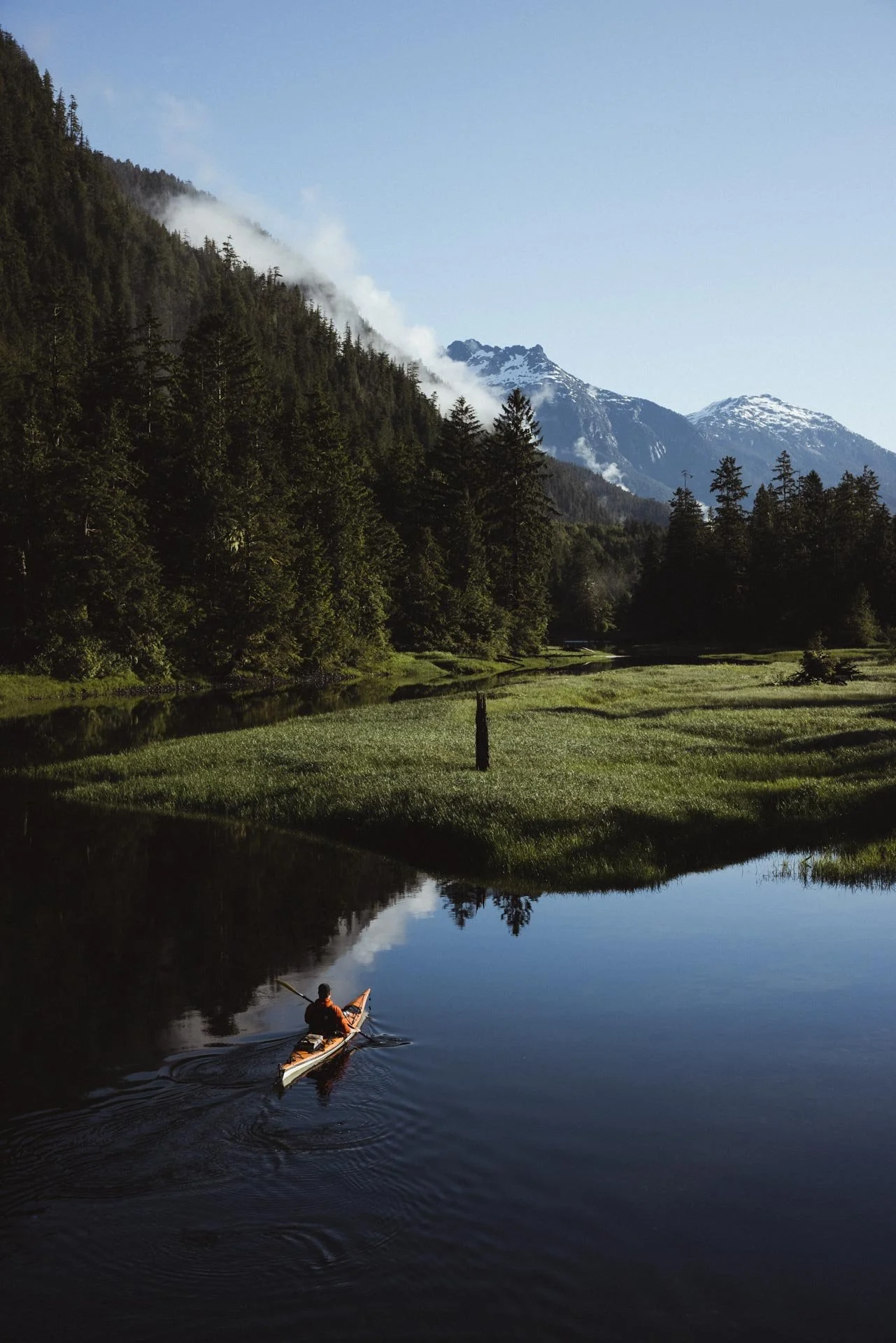
CLAYOQUOT WILDERNESS LODGE
Wilderness tourism is a force for good
$23 billion
ANNUAL REVENUE GENERATED FROM TOURISM IN BRITISH COLUMBIA
127,800 jobs
SUPPORTED BY TOURISM SPENDING
IN BRITISH COLUMBIA
375 metric tonnes
DEBRIS REMOVED FROM BC COAST
DURING COVID BY WTA MEMBERS
Tourism contributes more GDP than any other primary resource industry in BC and operators regularly donate to initiatives that benefit the local land, wildlife and people.
Sources: BC Stats (2023 figures), SSTOA MDRI (2020-21), Spirit of the West Clean-Up (2021), Maple Leaf Adventures MDRI (2024)
Our Impact
World-Class Wilderness Experiences
MOTHERSHIP ADVENTURES / TAVISH CAMPBELL
Our community of wilderness tourism operators are passionate about sharing and protecting their surrounding environments
BLUEWATER ADVENTURES
Enjoy a collection of resources to help you experience the landscapes, wildlife and people that make BC unique